
Content
- The Ultimate Guide to Working with Virtual Bookkeeper
- Advantages of a bookkeeper
- Similarities between a Bookkeeper and an Accountant
- Free Debits and Credits Cheat Sheet
- Join over 140,000 fellow entrepreneurs who receive expert advice for their small business finances
- Stay on top of your bookkeeping
- Responsibilities of a Full Charge Bookkeeper
- State & Area Data

A forensic accountant’s job is to investigate, audit, and prove the accuracy of financial documents and dealings. These accounting detectives‘ work often centers around legal issues. There are opportunities for forensic accountants in many industries, like nonprofit work, government and law-enforcement agencies, law firms, and large corporations. As a financial auditor, you may work as an „external“ or „internal“ auditor. If you are an external auditor, you will most likely have a job at a public accounting firm, and you will need to have a CPA license, plus a college degree, and often a master’s degree. As an accountant, you may have to crunch numbers, but those are not the only skills needed.
- Often, bookkeepers become accountants and are overseen by accountants.
- Eric is a staff writer at Fit Small Business focusing on accounting content.
- In just 5 minutes, we’ll get to know you and the kind of help you’re looking for.
- For simplicity, many businesses use MACRS depreciation, which is required for their tax return.
- There is a thin line between accountants and bookkeepers nowadays, especially with software that allows business owners to digitally track their finances and accounting on their own.
Bookkeepers review employees’ work hours, days off, commissions, and garnishments. Once they enter everything, management approves it before processing. Once processed, bookkeepers pay all state and federal liabilities, file quarter-end and year-end reports, and get all new employees properly set up in the system. Article, we learn bookkeepers have two to four years of experience with their work being overseen by either an accountant or the small business owner they’re serving. It is a financial report that tracks incoming and outgoing cash in your business. It allows you to understand how well your company handles debt and expenses.
The Ultimate Guide to Working with Virtual Bookkeeper
Other smaller firms may require reports only at the end of the year in preparation for doing taxes. The benefit of working with PL Consulting is that you do not have to choose between different companies if you need a bookkeeper AND accountant. Our company is proficient in both with a focus on small to mid-size businesses. We are your go-to resource for bookkeeping and accounting services. Produce Reports and Balance Sheet – Do you have a monthly subscription you’re paying for that is no longer serving your business?
Do you need a license to be a bookkeeper UK?
Do you need a license to be a bookkeeper in the UK? To be a bookkeeper you need to have a money laundering license, also known as AML – Anti Money Laundering. If you don't have this you would be breaking the law if you start a bookkeeping business from home.
Experience and basic number-crunching skills aside, your bookkeeper should be a proactive member of your team who has an extremely meticulous eye for detail. Endless for what a bookkeeper can do for you and your business, but we’ll list a few below to give you an idea. Additionally, you should state the payment term on the invoice so that your customers know the due date, discount period, and discount rate. When setting payment terms, try to base them on the payment terms of your competitors so that you don’t lose customers.
Advantages of a bookkeeper
Your financial data must be current and accurate so you have the tools you need to make sound business decisions and implement healthy cash flow strategies. This article is for business owners deciding whether they need to hire an accountant or bookkeeper. With double-entry bookkeeping, you create two accounting entries for each of your business transactions. You accidentally classified an employee as an independent contractor. You didn’t realize you need to register and pay sales tax in another state. You can’t get a business line of credit because your books are a mess.

To earn the certified public bookkeeper license, bookkeepers must have 2,000 hours of work experience, pass an exam, and sign a code of conduct. They must take 24 hours of continuing education each year to maintain their license. A bookkeeper can expect to earn a salary in the range of$30,000-$60,000 a year in the US. However, compensation will widely vary depending on the employer, location, and candidate experience. Bigger companies tend to offer better compensation for bookkeepers; this is largely due to the increased volume of transactions and data.
Similarities between a Bookkeeper and an Accountant
In bookkeeping, you have to record each financial transaction in the accounting journal that falls into one of these three categories. Bookkeeping clerks usually begin by recording routine transactions. Talent, training, and experience all help determine a bookkeeping clerk’s chances for promotion.
- Some people teach themselves basic bookkeeping and others hire experts to do it for them.
- For example, a credit card transaction from an airline can be automatically categorized as a travel expense.
- At a basic level, your bookkeeping service or bookkeeper should be managing the transactions brought in through your accounting system’s bank feed.
- Depending on the city, you can expect to earn between $40,000 and $60,000 your first year as a Big Four accountant.
- Reports a business’ assets, liabilities, and shareholder’s equity at a given point in time.
- Our team can help you with each step of your business from organization, to budget, to financial maintenance.
Bookkeepers offer a literal look at where you stand financially at the moment. Accountants take that financial data and help you see the bigger picture and the path your business is on.
Free Debits and Credits Cheat Sheet
The equity section of the chart of accounts is based on the fact that the legal structure of the entity is of a particular legal type. Possibilities include sole trader, partnership, trust, and company. Purchase ledger is the record of the purchasing transactions a company does; it goes hand in hand with the Accounts Payable account. As mentioned above, being proficient in accounting software such as QuickBooks will increase your value.

To choose accounting software, start by considering your budget and the extent of your business’s accounting needs. Usually, the entry-level salary for both bookkeepers and accountants tends to be similar; however, the earning potential of an accountant tends to increase as their career progress.
Join over 140,000 fellow entrepreneurs who receive expert advice for their small business finances
Assets, liabilities, and equity make up the accounts that compose the company’s balance sheet. At the end of the appropriate time period, the accountant takes over and analyzes, reviews, interprets and reports financial information for the business firm. The accountant also prepares year-end financial statements and the proper accounts for the firm. The year-end reports prepared by the accountant have to adhere to the standards established by the Financial Accounting Standards Board .
How do you start a bookkeeper?
- Pick your market and niche.
- Write a business plan.
- Register your business and get insured.
- Choose your bookkeeping software.
- Set up your business infrastructure.
- Price your services.
- Find your customers.
- Understand your funding options.
A strong endorsement from a trusted colleague or years of experience are important factors when hiring a bookkeeper. A bookkeeper provides a critical role in the data collection and data input of a business’ accounting cycle. When there is a proper system in place that avoids problems such as skimming fraud, the recorded financial data can provide valuable, actionable insight.
Stay on top of your bookkeeping
Besides no longer having to make sense of rows and rows of numbers for hours on end, there are several additional benefits. Before we jump into some of the benefits of having a professional keep your books, let’s talk about your bookkeeping options. First, you can become a bookkeeper professional yourself, but that takes time and effort — and spreadsheets full of numbers usually aren’t very thrilling for most people.
The level of responsibilities often correlates with the size of the institution. There are many aspects of a business’s finances that a bookkeeper may touch from travel expenses to taxes. ” It relates to data entry, math, maintaining accurate records, communicating issues, and watching an inventory or budget. The bookkeeper job duties vary, but are usually focused on getting data into the system correctly and on time. The bookkeeping transactions can be recorded by hand in a journal or using a spreadsheet program like Microsoft Excel. Most businesses now use specialized bookkeeping computer programs to keep books that show their financial transactions. Bookkeepers can use either single-entry or double-entry bookkeeping to record financial transactions.
- Some bookkeepers offer tax preparation, which can be especially valuable when it comes to breaking down complex small business tax codes.
- This job doesn’t require a college degree, only five years of tax experience with the IRS.
- Small Business What’s The Difference Between Bookkeeping & Accounting?
- The responsibilities of accounting clerks frequently vary by level of experience.
- In addition to CPA credentials, other common accounting designations are chartered financial analyst and certified internal auditor .
- In fact, many aspiring accountants work as bookkeepers to get a foot in the door while still in school.
Thereafter, an accountant can create financial reports from the information recorded by the bookkeeper. The bookkeeper brings the books to the trial balance stage, from which an accountant may prepare financial reports for the organisation, such as the income statement and balance sheet. The next, and probably the most important, step in bookkeeping is to generate financial statements. These statements are prepared by consolidating information from the entries you have recorded on a day-to-day basis. They provide insight into your company’s performance over time, revealing the areas you need to improve on. The three major financial reports that every business must know and understand are the cash flow statement, balance sheet, and income statement.
Responsibilities of a Full Charge Bookkeeper
Bookkeepers are also pretty good at keeping up with the latest and greatest technologies. Bookkeepers like to search for efficiencies and make your back office run as smoothly as possible.
- Bookkeeping software, spreadsheets, and other databases to post up-to-date financial transactions.
- That’s where bookkeepers come in, as they can help make sure your business stays aligned with the relevant laws.
- Other jobs may be listed with state and private employment agencies, on Internet job sites, and in newspaper classified ads.
- Asset accounts start with the cash account since cash is perfectly liquid.
- With the rising popularity of small business accounting software like QuickBooks Online, bookkeeping has become easier and more straightforward.
- Bookkeepers employ database and spreadsheet computer programs to do their record keeping.
Though the role of a bookkeeper is multifaceted, there are some core tenets to what bookkeepers do. One of the most essential tasks a bookkeeper will do for a small business is making sure they don’t run out of day-to-day money. They can do this by keeping an eye on the balance of revenues to expenses, along with offering more advice if the business needs more available cash to operate.
What Do Bookkeepers Do?
An accountant uses the financial data provided by a bookkeeper to interpret, analyze, and report on the financial health of the business. Because What is a bookkeeper they offer more detailed insights that inform business decisions, you don’t want to hire an accountant to only record income and expenses.
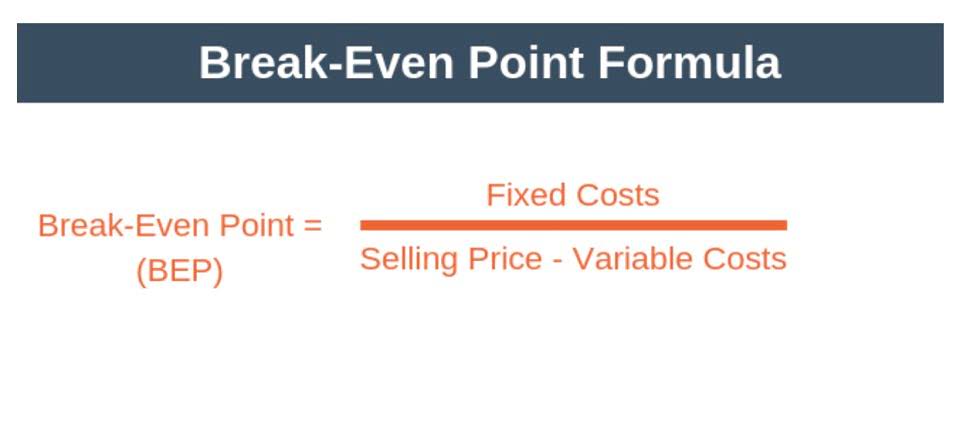
Bookkeeping offers much lower barriers to entry, and the competition you face in the job search is less fierce. There are critical differences in job growth and salaries between the two. Growth for accountants and auditors is expected to continue for the next several years. https://www.bookstime.com/ The Bureau of Labor Statistics segment to grow jobs by 4% from 2019 to 2029. In most cases, private companies do not pay more than the Big Four for young accountants with little experience. Both careers, accounting in particular, cover a broad gamut of starting salaries.
State & Area Data
All of those openings are expected to result from the need to replace workers who transfer to other occupations or exit the labor force, such as to retire. Equity is the investment a business owner, and any other investors, have in the firm. The equity accounts include all the claims the owners have against the company. The business owner has an investment, and it may be the only investment in the firm. If the firm has taken on other investors, that is reflected here. One of the first decisions you have to make when setting up your bookkeeping system is whether or not to use a cash or accrual accounting system. If you are operating a small, one-person business from home or even a larger consulting practice from a one-person office, you might want to stick with cash accounting.
This is the equivalent of around $40,000 per year, assuming a 40-hour workweek. The advantage of hourly pay is you receive 1.5 times your average wage for hours worked more than 40 per week. In bookkeeping, extra hours are typical during the busy tax season of January to mid-April. Accountants and bookkeepers work with numbers and financial data all day long. Forensic accounting is a highly specialized field of accounting.